

Bring Space Age Aesthetic to Your Home with Futuristic Lighting
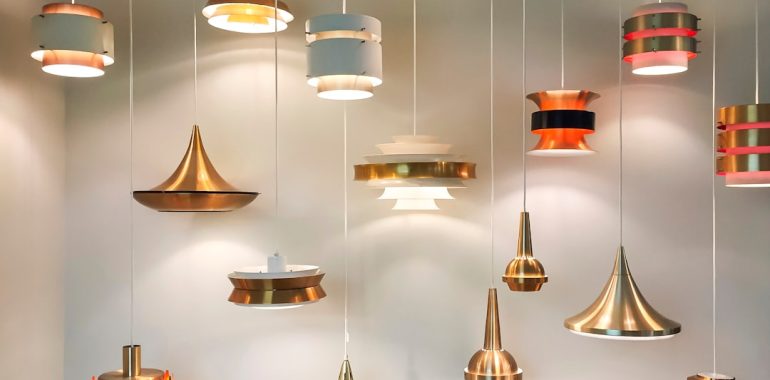
Bring Space Age Aesthetic to Your Home with Futuristic Lighting
The Space Age aesthetic emerged in the mid-20th century, coinciding with significant advancements in technology and space exploration. This design movement is characterized by its fascination with the future, often reflecting the optimism and excitement surrounding space travel. The visual language of the Space Age incorporates sleek lines, organic forms, and a sense of movement, all of which evoke the idea of progress and innovation. The era was marked by iconic designs, such as the Sputnik satellite and the futuristic architecture of structures like the TWA Flight Center, which encapsulated the spirit of exploration and the unknown.
Incorporating the Space Age aesthetic into contemporary design involves more than just mimicking its visual elements; it requires an understanding of its cultural context. The fascination with space and technology during this period influenced various fields, including architecture, fashion, and product design. As a result, modern interpretations often blend retro elements with cutting-edge materials and techniques. This fusion creates a unique aesthetic that resonates with both nostalgia and forward-thinking ideals, making it a popular choice for those looking to create spaces that feel both timeless and innovative.
Choosing the Right Futuristic Lighting Fixtures
Selecting appropriate lighting fixtures is crucial for achieving a futuristic ambiance in any space. The right fixtures not only illuminate but also serve as focal points that enhance the overall design. When considering futuristic lighting, look for designs that feature clean lines and innovative materials. Fixtures made from metals like aluminum or stainless steel, as well as glass or acrylic, can contribute to a sleek, modern look. Additionally, consider options that incorporate unique shapes or unexpected configurations, as these can add an element of surprise and intrigue to the environment.
Another important aspect to consider is the functionality of the lighting fixtures. In a futuristic setting, lighting should not only be aesthetically pleasing but also versatile. Adjustable fixtures that allow for different intensities and angles can help create various moods throughout the day. Pendant lights with geometric designs or wall sconces that mimic celestial bodies can enhance the Space Age theme while providing practical illumination. Ultimately, the goal is to select fixtures that complement the overall design while also serving the needs of the space.
Incorporating Minimalist and Sleek Designs
Minimalism plays a significant role in achieving a futuristic aesthetic. The principle of “less is more” aligns well with the Space Age ethos, emphasizing simplicity and functionality over excessive ornamentation. In this context, minimalist designs often feature smooth surfaces, neutral color palettes, and unobtrusive forms that allow other elements in the space to shine. By focusing on essential shapes and materials, minimalist designs create an environment that feels open and uncluttered, which is essential for evoking a sense of modernity.
Incorporating sleek designs into a space can be achieved through careful selection of furniture and decor. Opt for pieces that have streamlined silhouettes and avoid overly complex patterns or textures. Furniture made from materials like glass or polished metal can enhance the futuristic feel while maintaining a minimalist approach. Additionally, integrating multifunctional pieces can help reduce clutter and maintain an airy atmosphere. By prioritizing simplicity and elegance in design choices, one can create a cohesive environment that embodies the essence of the Space Age.
Embracing Geometric Shapes and Patterns
Geometric shapes are a hallmark of futuristic design, often reflecting the precision and order associated with technology and space exploration. Incorporating geometric patterns into a space can add visual interest while reinforcing the overall theme. This can be achieved through various elements such as wallpaper, textiles, or even architectural features. Patterns that feature sharp angles or repeating motifs can evoke a sense of movement and dynamism, reminiscent of spacecraft or celestial bodies.
When integrating geometric shapes into a design scheme, it is essential to strike a balance between boldness and subtlety. Large-scale geometric patterns can serve as statement pieces, while smaller accents can provide a more understated approach. For instance, using geometric tiles in a backsplash or flooring can create a striking visual effect without overwhelming the space. Additionally, incorporating furniture with geometric forms—such as angular coffee tables or sculptural chairs—can further enhance the theme while providing functional seating options.
Utilizing LED Technology for a Modern Look
LED technology has revolutionized lighting design, offering energy-efficient solutions that align perfectly with futuristic aesthetics. LEDs are available in various colors and intensities, allowing for greater flexibility in creating desired atmospheres. Their compact size enables designers to explore innovative fixture designs that were previously impractical with traditional lighting sources. This versatility makes LEDs an ideal choice for achieving a modern look while adhering to sustainable practices.
Incorporating LED lighting into a space can be done in numerous ways. For instance, recessed LED lights can provide subtle illumination while maintaining clean lines in the ceiling design. Strip lights can be used to highlight architectural features or create ambient lighting along shelves or under cabinets. Additionally, color-changing LED options allow for dynamic lighting schemes that can adapt to different moods or occasions. By leveraging LED technology, designers can create visually striking environments that embody both modernity and efficiency.
Creating a Galactic Ambiance with Color-changing Lights
Color-changing lights offer an exciting opportunity to enhance the Space Age aesthetic by evoking celestial themes and creating dynamic atmospheres. These lights can mimic the colors of distant galaxies or simulate the shifting hues of a sunset on another planet. By incorporating color-changing fixtures or smart bulbs into a design scheme, one can easily transform a space from bright and energizing to soft and calming with just a few adjustments.
To effectively utilize color-changing lights, consider layering different light sources to create depth and dimension within the space. For example, combining ambient lighting with accent lights can highlight specific areas while allowing for overall illumination. Additionally, using color-changing lights in conjunction with geometric designs can amplify their impact, creating an immersive experience that transports occupants to another world. This approach not only enhances the aesthetic appeal but also allows for personalization based on individual preferences or moods.
Integrating Smart Lighting Systems for Convenience and Style
Smart lighting systems have become increasingly popular in modern design due to their convenience and versatility. These systems allow users to control their lighting through smartphones or voice commands, providing an unprecedented level of customization. Integrating smart lighting into a futuristic design not only enhances functionality but also aligns with the technological advancements associated with the Space Age aesthetic.
When selecting smart lighting options, consider features such as programmable schedules, dimming capabilities, and color control. These functionalities enable users to tailor their lighting experiences to suit various activities or times of day. For instance, one might choose bright white light for work tasks during the day and softer hues for relaxation in the evening. Additionally, smart lighting systems can be integrated with other home automation technologies, creating a seamless experience that enhances both convenience and style.
Showcasing Futuristic Lighting as Art Installations
Futuristic lighting fixtures can transcend their functional purpose to become art installations within a space. By selecting unique designs that challenge conventional notions of form and function, one can create striking focal points that draw attention and spark conversation. These installations often incorporate innovative materials or unexpected configurations that reflect the creativity inherent in both art and technology.
When showcasing lighting as art, consider how it interacts with its surroundings. Positioning sculptural light fixtures in strategic locations can enhance their visual impact while also providing illumination where needed. Additionally, using projection mapping techniques can transform walls or surfaces into dynamic canvases that respond to light changes throughout the day. By treating lighting as an artistic element rather than merely a utility, designers can elevate their spaces into immersive environments that celebrate both form and function.
In conclusion, embracing the Space Age aesthetic through thoughtful design choices allows for the creation of modern spaces that resonate with both nostalgia and innovation. By selecting appropriate lighting fixtures, incorporating minimalist designs, utilizing geometric shapes, leveraging LED technology, creating dynamic atmospheres with color-changing lights, integrating smart systems, and showcasing lighting as art installations, one can achieve a cohesive environment that embodies the spirit of exploration and progress inherent in this influential design movement.