

Enhance Your Space with Sleek Magnetic Linear Recessed Light
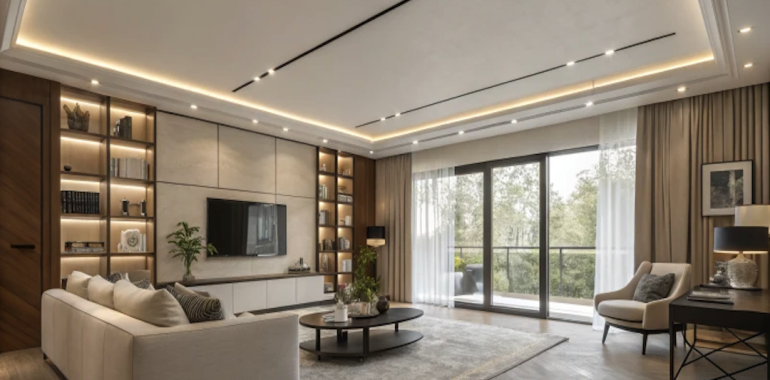
Enhance Your Space with Sleek Magnetic Linear Recessed Light
Magnetic linear recessed lighting is a fantastic way to modernize and illuminate any space with a clean, unobtrusive look. It’s essentially a lighting system where LED light modules snap magnetically into a recessed track, allowing for incredible flexibility in design and light placement. Think sleek lines of light seamlessly integrated into your ceiling or wall, providing focused illumination where you need it most. This system is gaining popularity for its aesthetic appeal, ease of installation, and adaptability, moving away from bulky fixtures and towards minimalist design.
It’s more than just a pretty face; magnetic recessed lighting Lightingstudioberkeley offers significant practical advantages over traditional lighting.
Flexibility in Design
One of the biggest draws is the sheer flexibility. You’re not stuck with fixed light positions.
Dynamic Light Placement
Because the light modules are magnetic, you can easily reposition them along the track. Want to highlight a new piece of art? Slide the spotlight over. Need more general illumination in one area? Add another diffused module. This dynamic placement capability is a game-changer for evolving spaces.
Mixing Light Types
Within a single track, you can often mix and match different types of light modules. Think spot lighting, flood lighting, wall wash, and even decorative pendants. This allows for a truly customized lighting scheme tailored to specific needs and moods.
Clean Aesthetics
The recessed nature means the track itself is flush with the surface, minimizing visual clutter. When the light modules are in place, the overall look is incredibly sleek and modern. This is perfect for those who appreciate minimalist design and want their lighting to complement, not dominate, their interior.
Easy Installation and Maintenance
While professional installation for the track is recommended, adding and swapping light modules is incredibly simple.
Snap-in Simplicity
Once the track is installed and wired, the light modules just snap into place magnetically. No tools, no complicated wiring for individual lights. This makes initial setup quicker and future adjustments a breeze.
Hassle-Free Replacements
Should a light module ever need replacing, it’s just a matter of pulling out the old one and snapping in a new one. This is far easier than traditional fixtures that often require unscrewing, rewiring, and potentially even calling an electrician.
Future-Proofing Your Lighting
The modular nature means your lighting system can evolve with your needs. New light module designs or technologies can potentially be integrated into existing tracks, reducing the need for complete lighting overhauls in the future.
Energy Efficiency and Longevity
Magnetic linear systems almost exclusively use LED technology, which comes with its own set of benefits.
Lower Energy Bills
LEDs consume significantly less power than incandescent or halogen bulbs, translating directly into lower electricity costs. This is a practical consideration for any homeowner or business.
Extended Lifespan
LEDs last a very long time, often tens of thousands of hours. This means less frequent bulb changes, which is especially convenient for recessed fixtures that can be harder to access.
Reduced Heat Output
LEDs produce much less heat than older lighting technologies. This can contribute to a more comfortable indoor temperature and potentially reduce air conditioning costs.
Decoding the Components
Understanding the different parts of a magnetic linear recessed lighting system is key to making informed choices.
The Track Itself
This is the backbone of the system, housing the wiring and providing the magnetic contact points.
Recessed vs. Surface Mounted
While this article focuses on recessed, it’s worth noting that magnetic tracks can also be surface-mounted or even suspended. Recessed offers the sleekest, most integrated look, as the track is flush with the ceiling or wall.
Track Length and Configuration
Tracks come in various standard lengths and can often be cut to size or joined using connectors to create longer runs or different configurations (L-shapes, U-shapes, etc.). Planning your layout carefully is crucial before purchasing.
Power Supply Integration
The track itself needs to be powered. Some systems integrate the power supply directly into the track, while others require an external driver. Understanding this will be important for installation planning.
The Light Modules
These are the elements that actually produce the light and snap into the track.
Spotlights
Great for accentuating specific features like artwork, architectural details, or task areas. They offer directional, focused light.
Floodlights/General Lighting Modules
These provide a wider beam angle for more general illumination, suitable for overall room lighting.
Wall Washers
Designed to evenly illuminate a vertical surface, creating a smooth wash of light across a wall, often used to highlight textures or make a room feel larger.
Linear Modules (Diffused)
These offer a continuous, soft line of light, perfect for ambient lighting or creating a modern aesthetic. They often come with diffusers to spread the light evenly.
Pendant Modules
Some systems offer pendant lighting modules that drop down from the track, adding a decorative element and providing more focused light at a lower height, ideal for islands or dining tables.
Decorative/Accent Modules
Beyond functional lighting, some manufacturers offer unique decorative modules like small light bars or artistic elements that can be integrated into the track for an extra touch of style.
Power Supply (Driver)
Essential for converting your home’s AC power to the low voltage DC power required by the LED modules.
Integrated vs. External
As mentioned, some tracks have integrated drivers, while others require an external driver to be wired separately. External drivers offer more flexibility in terms of placement and capacity.
Dimmable Options
Most modern magnetic linear systems are dimmable. Ensure that both your power supply/driver and your light modules are compatible with the dimming system you intend to use (e.g., TRIAC, 0-10V, DALI, Bluetooth).
Capacity Matching
The power supply’s wattage capacity must be sufficient to power all the light modules you intend to use on that track section. Overloading the driver can lead to performance issues or failure.
Planning Your Lighting Layout
A well-thought-out plan is crucial for a successful and effective magnetic linear lighting installation.
Assess Your Space
Consider the function of the room, the existing light sources, and any architectural features.
Room Functionality
What activities will take place in the room? A kitchen needs bright task lighting, a living room might benefit from more ambient and accent lighting, and a bedroom could prioritize softer, warm light.
Existing Natural Light
How much natural light does the room receive during the day? This will influence the amount and type of artificial lighting needed. South-facing rooms with ample windows might need less artificial general lighting than dimly lit interior rooms.
Architectural Features
Do you have artwork, textured walls, or built-in shelving you want to highlight? Magnetic spotlights excel at this. Do you have a long hallway or a dramatic ceiling slope? Linear modules can emphasize these features.
Determine Light Types and Quantities
Based on your assessment, decide what kind of light you need and how many modules of each type.
General Illumination
Estimate the overall brightness needed for the room. This might be achieved with floodlights or diffused linear modules spaced evenly. Consider lumen output per module and total lumens for the room.
Task Lighting
Identify areas where focused light is required for specific tasks, such as kitchen counters, reading nooks, or desks. Spotlights or specific linear task lights are ideal here.
Accent Lighting
Think about what elements you want to draw attention to. Artwork, feature walls, or decorative objects can be illuminated with directional spotlights or wall washers.
Decorative Elements
If you want to incorporate pendant modules or other decorative light elements, decide on their placement and how they will complement the functional lighting.
Sketch Your Layout
Put your ideas down on paper (or a digital drawing tool).
Track Placement
Where will the tracks run? Along walls, crossing the ceiling, or even creating patterns? Consider how the tracks will integrate with existing architectural lines.
Module Spacing and Density
Visually plan where your light modules will go. How far apart will they be? Will some areas be more dense with light than others? This will help you estimate the total number of modules needed.
Power Supply Location
If using external drivers, where will they be discreetly placed? Consider accessibility for maintenance.
Installation Considerations
While the light modules are easy to snap in, the track itself requires careful installation.
Professional Installation Recommended
For recessed systems, cutting into ceilings or walls, running wiring, and ensuring proper electrical connections are best handled by a qualified electrician or experienced installer. This ensures safety and a professional finish.
Wiring Requirements
The track needs to be wired to a power source, often through a junction box. Ensure the wiring is up to code and can handle the load of the system.
Drywall Cutting and Finishing
Recessed tracks require precise cuts in drywall (or other ceiling/wall materials). The edges then need to be finished smoothly, often with plaster or joint compound, to achieve that seamless look. This is where a skilled tradesperson makes a big difference.
Structural Considerations
Ensure that the ceiling or wall structure can support the weight of the track and modules, especially for longer runs.
Power Management and Dimming
Think about how you’ll control your lights.
Wall Switches
Standard on/off switches are a given. Consider if you want independent control over different sections of the track or different types of modules (e.g., general vs. accent).
Dimmer Switches
If you want dimmable light, ensure your chosen dimmer switch is compatible with the power supply/driver and the LED modules. There are various dimming protocols (TRIAC, 0-10V, DALI, DMX), so compatibility is key.
Smart Home Integration
Many modern magnetic linear systems can be integrated into smart home ecosystems (e.g., Google Home, Amazon Alexa, Apple HomeKit) via specific drivers or hubs. This allows for voice control, scheduling, and scene setting.
Maintenance and Troubleshooting
While low-maintenance, a few tips can keep your system running smoothly.
Cleaning the Track and Modules
Keeping your system clean ensures optimal performance and aesthetics.
Dust Removal
Regularly dust the track and light modules with a soft, dry cloth. Dust can accumulate on light sources and reduce their brightness or change their color temperature.
Gentle Wiping
For more stubborn spots, a slightly damp cloth with a mild, non-abrasive cleaner can be used, but ensure the system is turned off and completely dry before turning it back on. Avoid harsh chemicals.
Troubleshooting Common Issues
Sometimes things don’t work as expected. Here are a few basic checks.
Lights Not Turning On
- Check Power: Is the wall switch on? Is the circuit breaker tripped?
- Module Connection: Ensure the light module is firmly snapped into place on the track and making good magnetic contact.
- Driver Check: If using an external driver, ensure it’s receiving power and is functioning correctly (some drivers have indicator lights).
Flickering Lights
- Loose Connection: Re-seat the light module on the track.
- Dimmer Incompatibility: Ensure your dimmer switch is compatible with your LED driver and modules. Incompatible dimmers are a common cause of flickering.
- Overloaded Driver: If you’ve added many modules, ensure your power supply has enough capacity.
Uneven Brightness
- Module Malfunction: A faulty individual module might be the culprit. Try swapping it with a known good module from elsewhere on the track.
- Voltage Drop: In very long track runs, especially with many modules, a slight voltage drop can occur towards the end, leading to slightly dimmer lights. This is rare in well-designed systems but something to consider if issues persist.
Future Proofing
The modular nature helps with longevity.
Replacing Individual Modules
If one module fails, you only need to replace that specific module, not the entire track or a chain of connected lights.
Upgrading Technology
As LED technology advances, you might be able to upgrade individual modules to newer, more efficient, or feature-rich versions without replacing the entire track system. This offers a degree of future-proofing that fixed lighting installations lack.
Magnetic linear recessed lighting represents a significant leap forward in interior illumination. Its blend of minimalist aesthetics, incredible flexibility, and practical benefits makes it an appealing choice for anyone looking to create a modern, adaptable, and energy-efficient lighting scheme. By understanding its components, planning effectively, and considering professional installation, you can truly enhance your space with this sleek and sophisticated lighting solution.