

Enhance Your Space with Natural Onyx Stone Wall Lamp
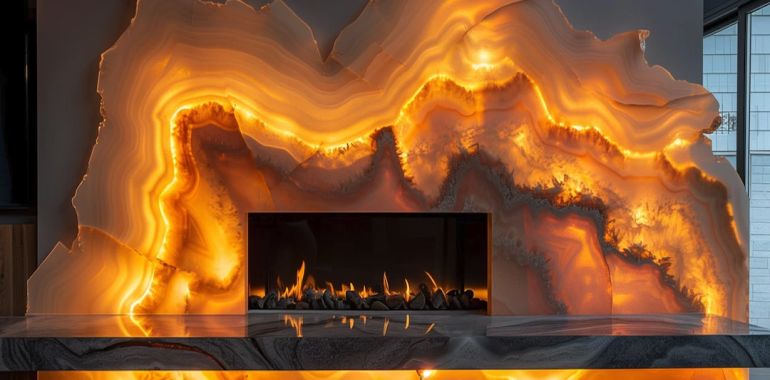
Enhance Your Space with Natural Onyx Stone Wall Lamp
Natural onyx stone wall lamps offer a distinct approach to interior lighting. This category of luminaires utilizes onyx, a chalcedony mineral, as a primary component in their design. The inherent translucence and veining of onyx allow light to diffuse in a soft, ambient manner, distinguishing it from more opaque lighting fixtures. Examining these lamps involves understanding the material itself, the design considerations, their application in interior design, the installation and maintenance aspects, and their place within the broader context of lighting and decor.
Onyx is a layered form of chalcedony, a cryptocrystalline silica mineral. Its characteristic banding is a key feature, differentiating it from other forms of chalcedony.
Geological Formation and Composition
Onyx forms primarily through the deposition of silica in cavities within volcanic or sedimentary rocks. The deposition occurs over long periods, leading to the formation of distinct layers. The mineral composition is predominantly silicon dioxide (SiO₂), with impurities contributing to the wide array of colors observed in onyx.
Varieties of Onyx Based on Color and Pattern
The visual appeal of onyx is critically dependent on its coloration and banding patterns. These variations are not random but are indicative of the specific geological conditions under which the stone was formed.
Black Onyx
Black onyx is one of the most sought-after varieties. True black onyx is rare; most material marketed as black is actually dyed dolomite or chalcedony. Natural black onyx, when present, is a deep, consistent monochrome.
White Onyx
White onyx is characterized by its light, often milky, coloration. Translucence is typically high, allowing for significant light Lododesign diffusion. Veining can range from subtle grey streaks to more pronounced, intricate patterns.
Green Onyx
Green onyx exhibits shades of green, from pale mint to deep emerald. The green coloration is often due to the presence of minerals like serpentine or chlorite within the silica matrix. Banding may be present, creating a marbled effect.
Red and Brown Onyx
Varieties with red and brown hues are also common. These colors are typically derived from iron oxide inclusions. The banding in these types can create striking contrasts, with deep reds and ochres mingling with lighter shades.
Banding and Veining as Aesthetic Features
The defining characteristic of onyx is its banding. These bands, or layers, vary in thickness, color, and texture, creating unique visual narratives within each piece of stone. This natural variability means that no two onyx wall lamps will be identical, offering a bespoke quality to each fixture. The translucence of the stone allows these bands to become visually prominent when illuminated, transforming the stone into a canvas of light and shadow.
Translucence and Light Diffusion
The ability of onyx to transmit light is a fundamental property that dictates its suitability for lamps. This translucence is not uniform across all onyx types or even within a single piece; it can vary based on mineral composition and the thickness of the stone.
Factors Affecting Light Transmission
The degree of translucence is influenced by:
- Mineral impurities: Certain impurities can scatter light, reducing translucency, while others might allow it to pass more freely.
- Crystallinity: The size and arrangement of the silica crystals within the chalcedony structure play a role.
- Thickness of the stone: Thicker sections will naturally transmit less light than thinner ones.
- Polishing: The surface finish, particularly a high polish, can enhance the way light interacts with the stone, affecting both its brilliance and diffusion.
The Effect of Backlighting on Onyx
When a light source is placed behind onyx, its internal structure becomes evident. The veins and bands, which might be subtle in normal light, are dramatically highlighted. This backlighting effect is central to the aesthetic of onyx wall lamps, turning the stone into a luminous display. The light does not merely pass through; it is sculpted by the stone’s natural patterns.
Design and Manufacturing Considerations
The creation of an onyx wall lamp involves specific design choices and manufacturing processes to harness the stone’s unique properties and ensure its durability and aesthetic appeal.
Forms and Styles of Onyx Wall Lamps
Onyx wall lamps are not confined to a single form factor. Designers utilize the stone in various ways, from simple slabs to more intricate carved pieces.
Slab-Style Fixtures
In slab-style lamps, a polished slab of onyx is mounted directly onto the wall, with a light source positioned behind it or integrated within a recess. This approach emphasizes the natural beauty of the stone’s surface and its veining. The simplicity of the design allows the onyx to be the primary visual element.
Sculptural and Carved Designs
More elaborate designs involve carving or shaping the onyx into decorative forms. This can include relief carvings, geometric patterns, or more organic, flowing shapes. These lamps often serve as both functional lighting and decorative art pieces, adding a tactile and visual dimension to the space.
Integrated Lighting Elements
The placement and type of light source are critical. LED strips are often preferred due to their low heat emission and flexibility in placement, allowing them to be discreetly fitted behind the onyx. This ensures that the onyx itself is illuminated, rather than a visible bulb, creating a more diffused and sophisticated glow.
Craftsmanship and Finishing Techniques
The way onyx is cut, shaped, and finished significantly impacts the final appearance of the lamp. Attention to detail in these stages is paramount.
Precision Cutting and Shaping
Onyx is a relatively hard but brittle material. Precision cutting, often with diamond-edged tools, is necessary to achieve clean lines and specific shapes without causing fractures. The thickness of the cut is carefully controlled to balance structural integrity with the desired translucency.
Polishing and Surface Treatments
A high-gloss polish is commonly applied to onyx to enhance its natural luster and the depth of its colors and veining. Other surface treatments, such as matte finishes or honed surfaces, can also be employed to achieve different aesthetic effects, though they may influence light diffusion differently.
Sealing and Protection
To protect the polished surface and prevent staining, onyx is often sealed. The sealant penetrates the micropores of the stone, creating a barrier against liquids and oils. The choice of sealant is important to ensure it does not alter the natural color or translucency of the stone.
Challenges in Working with Natural Stone
Onyx, like many natural stones, presents specific challenges during the manufacturing process.
Material Inconsistency and Selection
The inherent variability of natural stone means that sourcing consistent batches of onyx for mass production can be difficult. Each slab has unique characteristics, requiring skilled artisans to select and match pieces for aesthetic coherence, especially when creating lamps with multiple onyx components.
Brittleness and Fracture Risk
Onyx is prone to chipping and fracturing, particularly during cutting, drilling, and mounting. This fragility demands careful handling and specialized techniques throughout the manufacturing and installation processes. Protective measures are often incorporated into the design to mitigate this risk.
Application in Interior Design
The unique properties of natural onyx stone wall lamps lend themselves to a variety of interior design applications, offering both functional illumination and significant aesthetic impact.
Creating Ambiance and Mood
The diffused light characteristic of onyx creates a soft, inviting atmosphere. This makes these lamps particularly well-suited for spaces where a tranquil or sophisticated mood is desired.
Soft, Ambient Lighting
Unlike direct, harsh lighting, onyx lamps emit a gentle illumination that bathes the surrounding area in a warm glow. This is ideal for creating a relaxing environment in living rooms, bedrooms, or dining areas. The light feels less like a utilitarian tool and more like a natural element.
Highlighting Architectural Features
The subtle glow of an onyx wall lamp can be used to draw attention to specific architectural details, such as textured walls, artwork, or decorative moldings. The lamp itself becomes an accent piece that subtly enhances its surroundings.
Versatility Across Design Styles
While often associated with luxury, onyx wall lamps can be adapted to various interior design aesthetics, from contemporary minimalism to more opulent styles.
Contemporary and Minimalist Interiors
In minimalist settings, a simple slab of onyx wall lamp can serve as a statement piece. Its natural beauty and the quality of its light contribute to an understated elegance without overwhelming the clean lines of the design.
Traditional and Classic Decor
For more traditional or classic interiors, onyx lamps with carved details or elaborate mounting hardware can complement existing ornate decor. The inherent richness of the stone aligns well with established luxury aesthetics.
Modern and Art Deco Designs
The geometric potential of onyx, combined with its inherent glamour, makes it suitable for modern and Art Deco-inspired spaces. Clean, linear designs or those incorporating metallic accents can create a sophisticated, yet contemporary, look.
Functional and Decorative Integration
Onyx wall lamps serve a dual purpose: providing light and acting as decorative elements. Their integration into a room’s design requires careful consideration of scale, placement, and the overall color palette.
As Statement Pieces
A well-chosen onyx wall lamp can act as a focal point in a room. Its distinctive material and light quality can elevate the perceived value and style of the interior.
Complementing Existing Materials
The natural veining and colors of onyx can be chosen to complement or contrast with other materials in the room, such as wood, metal, or marble. This allows for a cohesive and visually appealing design.
Use in Various Room Types
These lamps are suitable for a range of rooms:
- Living Rooms: For ambient and accent lighting.
- Bedrooms: To provide a soft, relaxing light source.
- Hallways: To create an elegant and welcoming approach.
- Dining Rooms: To cast a warm glow over the dining table.
- Bathrooms: With appropriate protection against moisture, for a spa-like feel.
Installation and Maintenance
Proper installation and regular maintenance are crucial for ensuring the longevity and continued aesthetic appeal of natural onyx stone wall lamps.
Installation Process
The installation of a wall-mounted lamp, particularly one made of stone, requires adherence to safety protocols and consideration of the material’s weight and fragility.
Electrical Connections and Safety
As with any hardwired lighting fixture, correct electrical connections are essential for safe operation. This typically involves connecting the fixture to the building’s electrical system, ensuring proper grounding and circuit protection. When in doubt, consulting a qualified electrician is recommended.
Mounting and Structural Support
Onyx is heavy, and wall lamps made from it require secure mounting. This often involves attaching the fixture to wall studs or using appropriate heavy-duty anchors that can support the weight of the stone and the lamp assembly. The method of attachment must be robust to prevent the lamp from becoming dislodged.
Considerations for Different Wall Types
The installation method may vary depending on the wall construction.
- Drywall: Requires locating studs for secure attachment. If studs are not optimally placed, toggle bolts or other heavy-duty drywall anchors may be necessary, provided they are rated for the lamp’s weight.
- Plaster and Lath: Similar considerations to drywall, but often requires specialized anchors due to the material’s composition.
- Masonry (Brick or Concrete): Typically offers excellent support. The use of appropriate masonry screws and anchors is vital.
Maintenance and Care
Maintaining the beauty of an onyx wall lamp involves regular cleaning and occasional protective treatments.
Cleaning Procedures
Dust and debris can accumulate on the surface of the stone and around the fixture.
- Regular dusting: A soft, dry cloth or a microfiber duster can be used for routine cleaning.
- Wiping down: For more thorough cleaning, a damp cloth with a mild, pH-neutral detergent can be used. It is crucial to avoid abrasive cleaners, acidic solutions (like vinegar or lemon juice), and ammonia-based products, as these can etch or damage the polished surface of the onyx.
- Drying: After cleaning with a damp cloth, the stone should be dried immediately with a soft, dry cloth to prevent water spots.
Protecting the Stone Surface
Minimizing exposure to damaging substances is key.
- Avoid harsh chemicals: As mentioned, acidic or alkaline cleaners can harm the onyx.
- Prevent staining: While many onyx lamps are sealed, it is still advisable to wipe up spills from sources that can stain (e.g., cosmetics, oils) promptly.
- Resealing (if necessary): Over time, the sealant may wear down. Signs that resealing might be beneficial include water no longer beading on the surface. Consult a stone care professional for appropriate resealing products and procedures, ensuring they are compatible with onyx.
Addressing Potential Issues
Over time, minor issues might arise that require attention.
Lamp Bulb Replacement
The procedure for replacing a bulb will depend on the lamp’s design. Access to the bulb socket might be through a removable panel, from the side, or the onyx itself might need to be carefully detached (following manufacturer instructions). Always ensure the power to the lamp is switched off at the circuit breaker before attempting any bulb replacement.
Fading or Discoloration
While natural onyx is generally colorfast, prolonged exposure to direct sunlight can potentially cause some fading over extended periods. If discoloration occurs, it might be due to natural mineral reactions or an effect of the sealant used. Assessing the cause is the first step to remediation, which may involve consulting with the manufacturer or a stone restoration specialist.
Economic and Environmental Considerations
The choice of natural onyx stone wall lamps also involves an economic investment and considerations of their environmental impact.
Cost Factors and Value Proposition
The price of onyx wall lamps is influenced by the type of onyx used, the complexity of the design, the craftsmanship involved, and the brand reputation.
Material Pricing and Rarity
The cost of raw onyx varies significantly based on its color, pattern, and origin. Rare or highly sought-after varieties, such as deep, consistent black onyx or onyx with particularly striking veining, command higher prices. The rarity of certain natural formations contributes to their value.
Craftsmanship and Design Complexity
Lamps that feature intricate carvings, unique shapes, or hand-finished details will naturally be more expensive than simpler slab designs. The labor and expertise required for these processes add to the overall cost.
Durability and Longevity as Investment
While the initial cost of an onyx wall lamp may be higher than that of a mass-produced fixture, its inherent durability and timeless aesthetic can make it a long-term investment. Natural stone, when properly cared for, can last for decades, offering consistent aesthetic appeal without significant degradation. This longevity can offset the initial expenditure.
Sourcing and Sustainability
The extraction and processing of natural stone have environmental implications that consumers may wish to consider.
Extraction Processes and Environmental Impact
Mining natural stone, including onyx, involves land disruption and energy consumption. Responsible sourcing practices aim to minimize these impacts through methods such as:
- Quarry rehabilitation: Implementing plans to restore mining sites after extraction.
- Water management: Efficient use and treatment of water in quarrying operations.
- Energy efficiency: Employing technologies to reduce energy use in mining and processing.
Ethical Sourcing and Certification
Consumers can look for manufacturers who adhere to ethical sourcing standards. While specific certifications for onyx are less common than for other materials, transparent supply chains and a commitment to responsible practices are indicators of ethical production.
Transportation and Embodied Energy
The transportation of quarried stone from its source to the manufacturing facility and then to the consumer contributes to the embodied energy of the product. Choosing locally sourced materials where possible, or manufacturers with efficient logistics, can help mitigate this impact.
Comparison with Synthetic Alternatives
The market also offers synthetic materials that mimic the appearance of onyx, often at a lower price point.
Advantages of Natural Onyx
The primary advantage of natural onyx is its unique, inimitable beauty. The organic patterns, subtle translucence, and inherent depth of color are difficult to replicate perfectly. Natural onyx offers a connection to the earth and a sense of authenticity that synthetic materials often lack. Its durability and the way it patinas over time can also be considered superior.
Considerations for Synthetic Options
Synthetic onyx can offer advantages in terms of cost, consistency, and sometimes durability against specific types of damage (e.g., staining). However, they often lack the nuanced depth and unique character of genuine stone. The environmental impact of producing synthetic materials, which often involve resins and plastics, should also be considered, as it differs from that of natural stone extraction. The choice between natural and synthetic often comes down to a balance of aesthetic preference, budget, and environmental considerations.