

Stylish Scandinavian Wood Tripod Floor Lamp
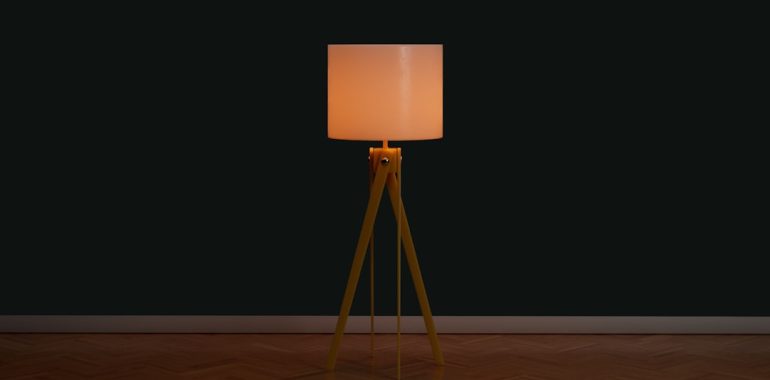
Stylish Scandinavian Wood Tripod Floor Lamp
A stylish Scandinavian wood tripod floor lamp is a lighting fixture designed with the aesthetic principles and material sensibilities often associated with Scandinavian design. This type of lamp typically features a tripod base constructed from wood, a lampshade, and a light source. Its prominence can be understood as a subset of broader trends in interior design that prioritize functionality, minimalism, and natural materials.
The Scandinavian design movement, originating in the early 20th century and gaining significant international traction in the mid-20th century, is characterized by a distinct set of principles. These principles are directly reflected in the design of a stylish Scandinavian wood tripod floor lamp Garralighting. The core tenets include a focus on simplicity, functionality, and the integration of nature into living spaces.
Minimalism and Simplicity
- Form Follows Function: A central tenet of Scandinavian design is that the form of an object should be dictated by its intended purpose. For a tripod floor lamp, this means a design that is structurally sound, stable, and effectively illuminates a space without unnecessary ornamentation. The tripod base, for instance, provides stability through its geometric structure rather than through decorative elements. This utilitarian approach to form contributes to a clean and uncluttered aesthetic.
- Unadorned Surfaces: The surfaces of Scandinavian wood tripod floor lamps are typically left unadorned. Finishes are often natural or subtly stained to highlight the wood grain. This deliberate absence of excessive decoration aligns with the minimalist ethos, where every element serves a purpose and contributes to the overall harmony of the design. The visual field is kept clear, allowing the lamp’s inherent form and material to be appreciated.
- Subtle Color Palettes: While not exclusively limited to neutral tones, Scandinavian design often favors muted and natural color palettes. Lampshades might be in white, off-white, grey, or muted earth tones. The wood itself, whether light ash, oak, or birch, contributes to this restrained color scheme. This approach creates a sense of tranquility and visual breathing room within an interior.
Materiality and Natural Elements
- Emphasis on Wood: Wood is a cornerstone of Scandinavian interior design, and the wood tripod floor lamp exemplifies this. The choice of wood is crucial, with species like beech, ash, oak, and birch being common. These woods are often selected for their durability, attractive grain patterns, and natural warmth. The tactile quality of the wood is considered an integral part of the design experience.
- Integration with Nature: Scandinavian design conceptually bridges the gap between indoor living and the natural world. This is partly due to the region’s long, dark winters, which fostered a desire to bring the outdoors in. The use of natural wood in the lamp directly addresses this, grounding the fixture in organic forms and textures. The tripod structure itself can evoke organic, branching forms.
- Quality Craftsmanship: A commitment to quality craftsmanship is inherent in Scandinavian design. This translates to well-constructed, durable pieces. For a wood tripod floor lamp, this means robust joinery, smooth finishes, and attention to detail in every component. The longevity of the product is often as valued as its initial aesthetic appeal.
Lighting and Ambiance
- Task and Ambient Lighting: Scandinavian tripod floor lamps are designed to fulfill both functional and atmospheric roles. The adjustable nature of some tripod lamps allows for directed task lighting, useful for reading or specific activities. Simultaneously, the diffused light from the lampshade contributes to ambient lighting, creating a warm and inviting atmosphere.
- Diffusion and Softness: Lampshades in Scandinavian designs are typically made from materials that diffuse light effectively, such as linen, cotton, or frosted glass. This diffusion prevents harsh glare and creates a softer, more comfortable illumination. The quality of light is as important as the design of the fixture itself, contributing to the overall mood of a room.
- Versatility in Placement: The tripod form factor offers a degree of flexibility in placement. While often found beside a sofa or armchair, the three-legged base can adapt to various floor surfaces and slightly uneven terrain better than a single-footed lamp. This practicality enhances its utility within a living space.
Construction and Components
A stylish Scandinavian wood tripod floor lamp is composed of several key elements, each contributing to its overall functionality and aesthetic. Understanding these components illuminates the engineering and design choices involved.
The Tripod Base
- Structural Integrity: The defining feature is the tripod base. This design utilizes three legs, typically angled outwards and connected at a central point. This arrangement provides inherent stability, preventing the lamp from tipping over easily. The legs are often ergonomically designed for comfort and visual appeal, with rounded edges and a smooth profile.
- Material Selection: As mentioned, wood is the primary material for the tripod legs. The type of wood chosen impacts the lamp’s appearance and durability. Lighter woods like birch or ash contribute to a more airy and modern feel, while darker woods like walnut can offer a richer, more traditional aesthetic within a Scandinavian context. The wood may be solid or laminated, depending on the manufacturer and desired effect.
- Adjustability Mechanisms: Some tripod floor lamps incorporate mechanisms that allow the legs to be adjusted in height or angle. This can involve screw mechanisms, locking collars, or simple friction-fit joints. Adjustable legs can be useful for leveling the lamp on uneven floors or for tailoring its height to specific needs.
- Cable Management: Integrated solutions for managing the power cable are often present. Ports, channels, or clips may be incorporated into the tripod legs or central hub to conceal the wiring, maintaining the lamp’s clean lines and functional integrity.
The Stem and Support Structure
- Connecting the Base to the Shade: The stem is the vertical element that connects the tripod base to the lampshade. In Scandinavian designs, the stem often complements the material and form of the tripod legs. It may be made of wood, metal (often brushed or matte finishes), or a combination of materials.
- Profile and Thickness: The profile of the stem is usually slender and unobtrusive, ensuring it doesn’t dominate the visual field. Its thickness is determined by structural requirements and aesthetic considerations, aiming for a balance between stability and visual lightness.
- Articulation Points: Some lamps may feature articulating joints in the stem, allowing the lampshade to be positioned at different angles or heights. These joints are typically designed with concealed mechanisms to maintain the minimalist aesthetic.
The Lampshade
- Function and Filtration: The lampshade serves a dual purpose: it directs and filters the light from the bulb, and it contributes to the lamp’s overall visual appeal. In Scandinavian designs, lampshades are intended to spread light softly and evenly, avoiding harsh shadows or glare.
- Material Variety: Common materials for lampshades include linen, cotton, paper, and sometimes frosted or textured glass. These materials are chosen for their ability to diffuse light effectively and their natural texture. The color of the lampshade is typically neutral, such as white, off-white, or light grey, to further enhance the diffusion of light and maintain the minimalist color scheme.
- Shaping and Silhouette: The shape of the lampshade varies but often favors simple geometric forms like cylinders, cones, or subtle bell shapes. These forms complement the clean lines of the tripod base and stem. The silhouette of the shade contributes significantly to the lamp’s overall visual identity and how it integrates into a room.
The Light Source and Fixtures
- Bulb Type Compatibility: Scandinavian wood tripod floor lamps are typically designed to accommodate standard bulb fittings, such as E27 or E14 sockets. The choice of bulb type (LED, incandescent, halogen) influences the energy efficiency and heat output of the lamp. Modern designs often favor LED bulbs for their energy efficiency and long lifespan.
- Lampholder and Socket: The lampholder and socket are the components that secure the bulb. In minimalist designs, these are often subtly integrated and may be made of plastic, metal, or ceramic. The focus is on functional discretion, ensuring these elements do not detract from the lamp’s overall aesthetic.
- Switching Mechanisms: The method of turning the lamp on and off is also considered. While floor switches located on the power cord are common for practicality, some designs may incorporate discreet switches on the stem or near the lampholder itself to maintain a cleaner visual line.
Historical Context and Evolution
The stylish Scandinavian wood tripod floor lamp did not emerge in a vacuum. Its design and popularity are rooted in a broader historical trajectory of furniture design, lighting technology, and evolving interior design philosophies.
The Rise of Scandinavian Design
- Post-War Optimism and Functionality: The mid-20th century saw a global appreciation for Scandinavian design, particularly in the aftermath of World War II. There was a societal shift towards functional, democratic design that prioritized quality and accessibility. This period saw the establishment of many iconic Scandinavian furniture and design brands.
- Influence of Modernism: Scandinavian design shares many principles with the broader Modernist movement, emphasizing clean lines, geometric forms, and the rejection of superfluous ornamentation. However, Scandinavian Modernism retained a distinct focus on natural materials, particularly wood, and a warmer, more human-centric approach.
- The Copenhagen Lamp and Its Legacy: While not a direct ancestor, the design thinking behind iconic lamps like Poul Henningsen’s PH lamps, with their focus on glare-free illumination and layered light, influenced the broader landscape of Scandinavian lighting. These innovations informed the development of lamps that prioritized user experience and ambient quality.
Evolution of Lighting Technology
- From Incandescent to LED: The evolution of light bulb technology has significantly impacted lamp design. The shift from incandescent bulbs, which generated considerable heat, to more energy-efficient and cooler-running LED bulbs has allowed for more flexible material choices in lampshades and a greater variety of bulb shapes and sizes to be accommodated.
- Energy Efficiency and Sustainability: In recent decades, a growing emphasis on sustainability and energy conservation has influenced design. Lamps are increasingly evaluated for their energy consumption, and materials are chosen with environmental impact in mind. This aligns with the inherently sustainable nature of wood as a resource.
- Smart Home Integration: While less common in traditional Scandinavian designs, there is an emerging trend towards integrating smart technology into lighting fixtures. This could involve dimmable LEDs, color-changing capabilities, or Wi-Fi connectivity for remote control. However, for those seeking the pure essence of Scandinavian design, these features are typically omitted.
Contemporary Adaptations
- Material Innovations: While traditional woods remain popular, contemporary Scandinavian-inspired lamps may incorporate engineered woods, sustainable composites, or even recycled materials in innovative ways.
- New Forms and Functions: Designers continue to explore new ways to interpret the tripod form and to adapt it for modern living. This can include lamps with integrated shelves, modular components, or adaptable structures that can serve multiple purposes.
- Global Reach and Accessibility: Scandinavian design principles have become globally influential. The “stylish Scandinavian wood tripod floor lamp” is now manufactured by numerous brands worldwide, adapting the core aesthetic to different production methods and market demands. This widespread availability has made these designs accessible beyond their original geographical and cultural origins.
Applications and Interior Design Integration
The stylish Scandinavian wood tripod floor lamp is a versatile addition to a wide range of interior spaces, lending itself to various functional and aesthetic roles within a home or commercial setting. Its design principles of minimalism and natural material integration make it a harmonious complement to existing decor.
Living Room Applications
- Reading Nooks: A primary application is beside an armchair or sofa, providing focused light for reading. The adjustable height and angle of some models make them particularly suitable for this purpose. The warm glow cast by the lampshade creates an inviting atmosphere for relaxation.
- Sofa-Side Lighting: Placed at either end of a sofa, these lamps can provide balanced ambient lighting, preventing dark corners and contributing to the overall mood of the room. The clean lines of the lamp avoid overwhelming the seating area.
- Corner Accent Lighting: A tripod floor lamp can be strategically placed in a corner to highlight a particular architectural feature, a plant, or a piece of art. The light source is often directed upwards or diffused outwards, creating subtle illumination and depth.
- Balancing Aesthetics: In a living room with other natural wood elements or a neutral color palette, the lamp acts as a cohesive piece, reinforcing the chosen interior style. Its understated elegance ensures it enhances rather than competes with other decorative items.
Bedroom and Study Integration
- Bedside Lighting: In bedrooms, a tripod floor lamp can serve as a stylish alternative to traditional bedside lamps. Its stable base is ideal for placement on the floor, and it can provide sufficient light for reading in bed without occupying valuable nightstand space.
- Desk and Study Illumination: For home offices or study areas, a tripod floor lamp can offer functional task lighting over a desk. The ability to direct light precisely where needed is crucial in such environments. The minimalist design also avoids visual distraction.
- Creating a Calm Environment: The soft, diffused light characteristic of Scandinavian lamps promotes a calm and focused atmosphere, conducive to study or relaxation in the bedroom.
Dining Room and Hallway Placement
- Ambient Dining Light: While a dining table is typically illuminated by an overhead fixture, a floor lamp placed at the periphery of a dining room can add a layer of ambient light, enhancing the atmosphere for evening meals. It can also serve to visually anchor a corner of the room.
- Hallway Illumination: In longer hallways, a series of well-placed tripod floor lamps can provide both functional light for navigation and a welcoming aesthetic. Their slim profile allows them to fit into tighter spaces without impeding movement.
- Welcome Ambiance: A lamp positioned near the entrance of a home or within a foyer can create a sense of warmth and welcome for arriving guests. The natural materials can also introduce an organic element early in the home’s interior.
Commercial and Hospitality Settings
- Cafes and Restaurants: The combination of warmth, functionality, and aesthetic appeal makes these lamps suitable for cafes and restaurants seeking a relaxed and inviting ambiance. They can be used to illuminate seating areas or highlight architectural details.
- Hotel Lobbies and Guest Rooms: In hospitality settings, Scandinavian-inspired lighting can contribute to a sophisticated yet comfortable guest experience. Their durability and timeless design are also practical considerations for commercial use.
- Retail Displays: The clean design can be effective in retail environments, drawing attention to products without being overly distracting. Their inherent style can also complement the branding of certain types of stores.
Maintenance and Care
Proper care for a stylish Scandinavian wood tripod floor lamp ensures its longevity and preserves its aesthetic appeal. The natural materials, particularly wood, require specific attention.
Wood Care
- Regular Dusting: The wood surfaces should be dusted regularly with a soft, dry cloth. This prevents the accumulation of dust, which can dull the finish and make cleaning more difficult over time.
- Cleaning Stains and Spills: For spills or stains on wooden components, a slightly damp cloth can be used, followed immediately by a dry cloth. It is important to avoid excessive moisture, which can damage the wood. For stubborn grime, a mild wood cleaner specifically designed for finished wood can be used sparingly. Always test any cleaning product in an inconspicuous area first.
- Polishing and Protection: Periodically, especially for darker wood finishes, a wood polish or wax can be applied to restore shine and provide a protective layer. Follow the product instructions carefully. Avoid abrasive cleaners or harsh chemicals that could strip or damage the finish.
- Avoiding Direct Sunlight and Heat: Prolonged exposure to direct sunlight can cause wood to fade and dry out. Similarly, placing the lamp too close to heat sources like radiators can also be detrimental.
Lampshade Care
- Distant Dusting: For fabric lampshades, a soft brush attachment on a vacuum cleaner or a feather duster can be used to remove dust from a distance. This gentle approach prevents snagging or stretching the fabric.
- Spot Cleaning: For minor marks on fabric lampshades, a mild soap solution with water can be used to gently dab the affected area with a clean cloth. It is crucial to avoid saturating the fabric. After spot cleaning, allow the lampshade to dry completely before using the lamp again.
- Paper Lampshades: Paper lampshades are more delicate and generally require gentle dusting. Avoid any form of liquid cleaning, as it will damage the paper.
- Material-Specific Cleaning: Always check the manufacturer’s care instructions for the specific lampshade material. Some materials may have unique cleaning requirements.
Electrical Components
- Bulb Replacement: When replacing a light bulb, ensure the lamp is unplugged from the power outlet and has cooled down completely. Use the correct wattage and type of bulb as indicated by the manufacturer to avoid overheating or damage to the fixture.
- Power Cord and Plug Inspection: Periodically inspect the power cord and plug for any signs of fraying or damage. If any damage is observed, the cord should be replaced by a qualified electrician to prevent fire hazards or electrical shock.
- General Cleaning of Fixtures: The metal or plastic components of the lampholder and stem can typically be wiped clean with a dry or slightly damp cloth. Ensure no moisture enters any electrical connections.
By adhering to these maintenance guidelines, the stylish Scandinavian wood tripod floor lamp can remain a functional and aesthetically pleasing element in an interior for many years. The emphasis is on gentle, consistent care that respects the natural materials and electrical integrity of the fixture.