

How to Choose the Perfect Nordic Style Pendant Light for Your Home
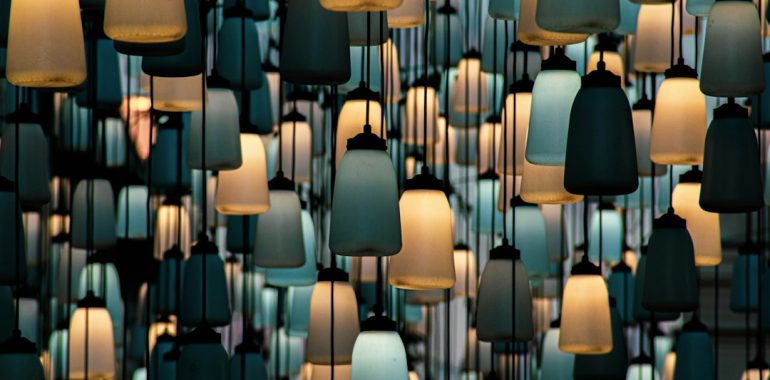
How to Choose the Perfect Nordic Style Pendant Light for Your Home
Deciding on the perfect Nordic-style pendant light for your home boils down to a blend of understanding the core principles of Nordic design and how those translate into practical lighting choices. It’s about finding a fixture that not only illuminates your space effectively but also embodies that characteristic minimalist aesthetic, natural materials, and functional beauty that defines the style. Think clean lines, soft diffused light, and an overall sense of calm and unpretentiousness. It’s less about flashy statements and more about thoughtful integration.
Understanding Nordic Design Philosophy in Lighting
Before diving into specific light Brision fixtures, it’s helpful to grasp the essence of Nordic design itself. This style, originating from the Scandinavian countries, prioritizes functionality, simplicity, and a connection to nature, particularly in response to the region’s long, dark winters. When applied to lighting, this translates into fixtures that are not just light sources but also pieces of functional art that enhance well-being.
The Core Principles of Nordic Aesthetic
At its heart, Nordic design champions minimalism without being cold or stark. It’s about removing clutter and focusing on essential forms and functions. In lighting, this means pendant lights often feature straightforward shapes – think cylinders, spheres, or simple conical forms – and avoid excessive ornamentation. The beauty comes from the material itself, the quality of light it produces, and its seamless integration into the room.
The Role of Light in Nordic Homes
Given the limited daylight hours in winter, artificial lighting plays a crucial role in creating a warm, inviting, and practical environment. Nordic lighting design isn’t just about brightness; it’s about crafting an atmosphere. Pendant lights are often strategically placed to provide both ambient illumination and focused task lighting, avoiding harsh glares and promoting a sense of hygge – that feeling of coziness and comfort. Diffused light is highly valued, often achieved through layered lighting and thoughtful shade design.
Materials that Define Nordic Lighting
Natural materials are a cornerstone of Nordic design, and this extends to pendant lights. You’ll frequently encounter wood (especially light-colored timbers like birch or ash), metal (often matte black, white, or brushed brass/copper), glass (clear, frosted, or opal), and sometimes even textiles or ceramics. These materials contribute to the tactile quality and organic feel that are so characteristic of the style. The finish is usually matte or subtly textured, reinforcing the understated elegance.
Sizing and Placement: Getting the Scale Right
Once you appreciate the design philosophy, the next step is to consider the practical aspects of sizing and placement. Even the most beautiful pendant light will look out of place if it’s too big, too small, or hung at the wrong height.
Ceiling Height and Room Dimensions
The size of your room and the height of your ceiling are critical determinants for pendant light scale. A general rule of thumb for dining areas is that the light fixture’s diameter should be roughly half to two-thirds the width of your table. For overall room lighting, consider the room’s square footage. A very large room might benefit from multiple smaller pendants or one significant statement piece. For ceilings 8 feet tall, you’ll want to ensure the bottom of the pendant is at least 7 feet from the floor in traffic areas. Higher ceilings offer more flexibility but still require attention to scale so the light doesn’t appear dwarfed.
Hanging Height for Different Areas
The appropriate hanging height varies significantly depending on where the pendant is located:
- Above a dining table: The bottom of the pendant should typically be 30-36 inches above the tabletop. This provides ample light without obstructing views or creating glare.
- Above a kitchen island: Similar to a dining table, 30-36 inches from the countertop is a good starting point. If you have multiple pendants, ensure even spacing.
- In a living room (as general lighting): The bottom of the fixture should be at least 7 feet (84 inches) from the floor to avoid head bumps in walking paths. If it’s over a coffee table, it can be lower, similar to a dining table height.
- In a bedroom: If used as a primary light, maintain the 7-foot clearance. If positioned over a bedside table in place of a lamp, it can be lower, ensuring it doesn’t interfere with reading or reaching for items.
Grouping Pendants and Spacing Considerations
For longer dining tables or kitchen islands, a single large pendant might not provide adequate coverage, or aesthetically, multiple smaller pendants might be preferred. When grouping pendants, the spacing is key. Aim for even distribution. A good starting point is to divide the total length of your surface (table/island) by the number of pendants plus one, then use that measurement for spacing from each end and between each fixture. For example, on a 6-foot island, with three pendants, you’d have four segments. 72 inches / 4 = 18 inches. So, 18 inches from each end and 18 inches between each pendant. This creates a balanced and visually pleasing arrangement.
Light Output and Functionality: Beyond Aesthetics
While the look of a Nordic pendant is important, its primary function is to provide light. Considering the type of light it emits and how it will be used is crucial for both practicality and achieving the desired ambiance.
Lumens, Color Temperature, and Dimming
- Lumens: This measures the brightness of the light. Rather than relying on wattage, look at lumens. For a primary light source in a dining room, you might need 800-1000 lumens. For ambient light in a smaller area, 400-600 lumens might suffice. Many Nordic pendants are designed to be beautiful, so they might not be super bright, indicating the need for supplementary lighting.
- Color Temperature (Kelvin): This refers to the “warmth” or “coolness” of the light. Nordic design generally leans towards warmer light (2700K-3000K) to create a cozy and inviting atmosphere, mimicking natural candlelight or a sunset. Avoid very cool white light (above 4000K) unless it’s specifically for a task-oriented area like a very modern kitchen workspace where you need crisp, bright light.
- Dimming: Absolutely essential for Nordic-style lighting. A dimmer switch allows you to adjust the light intensity to suit different moods and activities – bright for tasks, dim for relaxation. Most modern LED bulbs are dimmable, but always check the bulb and fixture specifications.
Diffused vs. Directed Light
Nordic pendants often feature shades that diffuse light, meaning the light is spread softly and evenly, reducing harsh shadows and glare. This creates a comfortable, ambient glow. Examples include opal glass globes, fabric shades, or wooden slats that allow light to filter through.
However, some Nordic pendants might offer more directed light, perhaps with an open bottom or a metal shade that focuses light downwards onto a table or surface. These are excellent for task lighting over a dining table, kitchen island, or desk. The best Nordic spaces often combine both: a diffused ambient pendant light complemented by more directed task lighting from other sources, like floor lamps or wall sconces.
Bulb Type and Maintenance
Modern Nordic pendants are almost exclusively designed for LED bulbs. LEDs are energy-efficient, long-lasting, and come in a wide range of lumen and color temperature options. They also produce very little heat, which is a bonus. When selecting a pendant, consider if the bulb is easily replaceable. Some integrated LED fixtures can be beautiful but may pose challenges if the LED module fails down the line. For maintenance, simple designs are easier to clean. Materials like glass or smooth metal can be wiped down easily, while textured fabrics or intricate wooden designs might require a little more care to dust.
Material and Form: The Aesthetic Choices
This is where the visual appeal really comes into play. The chosen materials and the form factor of your pendant light are defining elements of its Nordic character.
Wood: Warmth and Organic Touch
Light-colored wood is a hallmark of Nordic design. Birch, ash, or light oak are commonly used, sometimes left natural, sometimes stained or painted white. Wooden pendants can feature slatted designs, layered veneers, or solid sculpted forms. They introduce warmth, texture, and a direct connection to nature. Think of iconic designs with layered wooden lamellas that create beautiful light patterns. The grain of the wood itself becomes part of the design.
Metal: Sleek, Modern, and Versatile
Metal pendants offer a more contemporary take on Nordic style. Matte finishes (black, white, grey) are popular for their understated elegance. Brushed brass or copper can add a touch of subtle warmth and sophistication without being overly flashy. Metal shades often provide more directed light and can create interesting light and shadow patterns. The simplicity of a single spun metal dome or cone is a classic Nordic look. Consider how the metal finish interacts with other metal accents in your room.
Glass: Clarity, Diffusion, and Elegance
Glass pendants are incredibly versatile. Opal glass or frosted glass spheres and cylinders are excellent for diffusing light evenly, creating a soft, inviting glow. Clear glass can be used to showcase a decorative bulb (like an Edison-style LED) or to create a minimalist, almost invisible presence in the room. Ribbed or textured glass can add subtle visual interest and play with light in unique ways. Glass provides a sense of lightness and openness, which aligns well with the Nordic aesthetic.
Ceramics and Other Materials
While less common, ceramics can also be found in Nordic pendant lights, offering a rustic yet refined feel, often with an unglazed, matte finish. Textile shades (linen, cotton) are also used for their soft, diffused light and tactile quality, adding another layer of texture. The choice of material should complement the existing textures and finishes in your home while staying true to the natural, unpretentious feel of Nordic design.
Iconic Nordic Forms and Shapes
Nordic pendant lights often feature simple, geometric shapes: spheres, cylinders, cones, and domes. Layered designs, like the classic artichoke-style pendant, are also popular for their ability to eliminate glare and distribute light beautifully. Consider how the form interacts with the negative space around it. A well-chosen form will feel balanced and proportionate within your room, contributing to a sense of calm and order. Avoid overly ornate or complex shapes, as they tend to go against the minimalist grain of Nordic style.
Beyond the Basics: Practical Considerations and Compatibility
Finally, think about the practicalities of installation, long-term use, and how the pendant light fits into your broader home décor.
Installation and Wiring
Always check the installation requirements. Some pendants are very straightforward, while others with complex suspension systems might benefit from professional installation, especially if you’re not comfortable with electrical work. Ensure your ceiling can support the weight of the fixture. If you’re replacing an existing light, check if the junction box is appropriately sized and rated. Consider if you need to extend wiring or add a new switch location.
Compatibility with Your Existing Decor
While Nordic design has a distinct aesthetic, it’s also remarkably versatile. The “perfect” pendant light should complement your existing furniture, color palette, and overall style.
- Color Palette: Does the light’s color (or its light output) harmonize with your wall colors and furnishings? Warm woods and off-whites are typical.
- Material Harmony: Do the materials (wood, metal, glass) work with other materials in the room (e.g., wooden floor, metal table legs)? You don’t need to match perfectly, but aim for a cohesive feel.
- Overall Style: If your home is very traditional, a starkly modern Nordic pendant might clash. However, many Nordic designs blend well with transitional or even eclectic styles due to their simplicity and organic nature.
Budget and Value
Nordic design encompasses a wide price range, from affordable, mass-produced pieces to high-end designer fixtures. Set a realistic budget, but also consider the long-term value. A well-made, thoughtfully designed pendant light will last for years and contribute significantly to your home’s ambiance and aesthetic. Sometimes, investing a bit more in a quality piece can be more cost-effective in the long run than frequently replacing cheaper alternatives. Remember, Nordic design emphasizes quality over quantity.
Sustainability and Ethical Sourcing
Many Nordic design brands place a strong emphasis on sustainability, using responsibly sourced materials and environmentally friendly production methods. If this is important to you, look for brands that are transparent about their supply chain and manufacturing processes. Choosing a durable, high-quality fixture also contributes to sustainability by reducing the need for frequent replacements.
By considering these aspects – from the overarching design philosophy to the nitty-gritty of installation – you’ll be well-equipped to choose a Nordic-style pendant light that not only illuminates your home but truly enhances its character and functionality, bringing that coveted sense of hygge into your everyday living.