

Modern Apartment Must-Have: Geometric Chandelier
Modern Apartment Must-Have: Geometric Chandelier
So, you’re wondering if a geometric chandelier is a must-have for a modern apartment? The short answer is: absolutely, if you want to make a statement and elevate your space with contemporary design. These aren’t your grandma’s crystal chandeliers; they’re sculptural pieces that act as artwork, providing both light and a focal point to any room. They fit right in with the clean lines and minimalist aesthetic often found in modern apartments, adding a touch of sophistication and visual interest without overwhelming the space.
Why Geometric Chandeliers are Gaining Traction
Modern interior design is all about blending functionality with aesthetically pleasing elements. Geometric chandeliers tick both boxes beautifully. They’re more than just light Casalucelighting sources; they’re conversation starters, designed to be admired. As apartments get smaller, every decor choice becomes more crucial, striving for multi-purpose items and intelligent design decisions. A geometric chandelier offers a way to infuse personality and high-end design into a relatively compact living area.
There’s something inherently captivating about geometric shapes. They’re precise, orderly, and can create a sense of balance and harmony, even when arranged in complex patterns. In a world often filled with visual clutter, the clean lines of a geometric chandelier offer a refreshing contrast.
Understanding Geometric Design Principles
Geometric design isn’t just about throwing a few triangles together. It’s about using fundamental shapes – circles, squares, triangles, hexagons, and more complex polyhedrons – to create visually appealing and structured forms.
Simplicity in Form
Often, a geometric chandelier achieves impact through the simplicity of its individual components. Think of a minimalist design featuring just a few intersecting lines or a single, prominent hexagonal frame. The beauty lies in the clarity of its shape.
Complexity in Arrangement
Conversely, other designs achieve their “wow” factor through the intricate arrangement of many simpler geometric units. Picture a cluster of interconnected cubes or a chandelier formed from a mesmerizing tessellation of triangles. The complexity doesn’t feel chaotic; instead, it feels thoughtfully constructed.
The Appeal to Modern Aesthetics
Modern interior design often favors clean lines, open spaces, and a less-is-more approach. Geometric chandeliers align perfectly with this philosophy. They introduce an element of calculated design and visual interest without adding bulk or fussy details. They don’t try to hide their structure; they celebrate it.
Beyond Just Lighting: A Sculptural Element
Think of a geometric chandelier less as merely a light fixture and more as a three-dimensional sculpture that happens to emit light. This shift in perspective is key to understanding its “must-have” status.
Creating a Focal Point
In an open-plan living space or a compact apartment, a strong focal point is essential to anchor the room. A well-chosen geometric chandelier immediately draws the eye upwards, becoming the centerpiece. It dictates where attention should go, without needing additional decorative items to compete.
Defining Space
In apartments where rooms often flow into one another, lighting can help delineate different areas. A bold geometric chandelier hanging over a dining table, for instance, clearly marks the dining zone, even if there are no walls separating it from the living room. It’s a subtle yet effective way to add structure.
Artistic Expression
Many geometric chandeliers are designed by artists and industrial designers, not just electricians. They embody artistic principles, playing with light, shadow, and negative space. They can be stark and industrial, delicate and airy, or bold and architectural – each reflecting a different artistic sensibility.
Design Variations to Suit Every Taste
The sheer variety of geometric chandeliers available today is incredible. This isn’t a one-size-fits-all trend; rather, it’s an overarching style that manifests in countless forms.
Spheres and Orbs: Softening the Edges
While the term “geometric” might conjure up sharp angles, many stunning chandeliers utilize the perfect geometry of the sphere or interwoven circular elements.
Minimalist Orb Designs
Imagine a single, large, illuminated sphere or a cluster of smaller ones suspended at different heights. These designs offer a softer, more fluid geometric look, often with a subtle, diffused light. They can be incredibly elegant and understated, perfect for a bedroom or a cozy reading nook.
Intersecting Rings and Concentric Circles
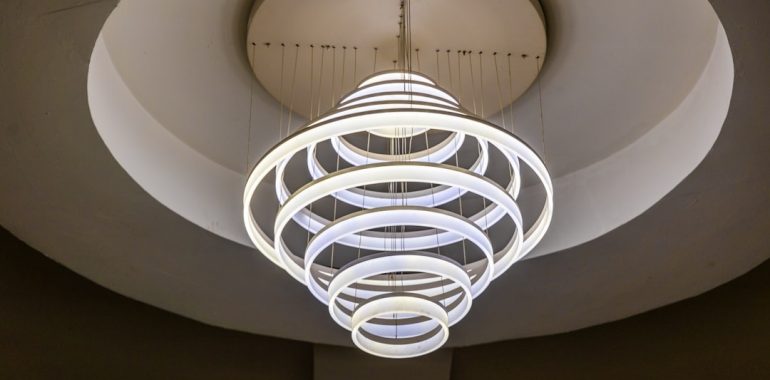
Chandeliers made from multiple intersecting rings or concentric circles create a sense of movement and depth. They can be dynamic and artistic, reminiscent of atomic structures or celestial bodies. These designs work well in larger living areas or entryways where they can truly shine.
Materials for Orb Designs
Common materials include metal (brass, black steel, chrome) for the framework, often paired with frosted glass, opal glass, or even exposed bulbs for the light source. The combination of sleek metal and soft, diffused light is particularly captivating.
Linear and Angular: Sharp, Modern Statements
For those who lean into the true “geometric” aesthetic of sharp lines and defined angles, there’s a vast array of linear and angular chandeliers.
Cubes and Rectangles
From single, open cubes to complex arrangements of multiple rectangular frames, these chandeliers exude a strong, architectural feel. They can be very minimalist, focusing on the void created by the lines, or more robust with thicker frames. They are particularly well-suited for spaces with other rectilinear furniture.
Triangular and Polyhedral Structures
These are often the most sculptural and eye-catching. Imagine a chandelier composed of interconnected triangles forming a polyhedron, or a series of sharp, angular lines creating a starburst effect. These designs tend to be more dramatic and commanding, drawing significant attention.
Abstract Geometric Forms
Beyond basic shapes, many designers play with abstract geometric compositions. This could involve seemingly random yet balanced arrangements of lines and planes, creating a unique, almost custom-art piece. These are fantastic for injecting a high degree of individuality into your apartment.
Finishes and Materials
Black matte steel, polished brass, brushed nickel, and even thin LED strips integrated into the frames are common. The finish can dramatically alter the feel – black for industrial chic, brass for warmth and luxury, and chrome for ultra-modern sleekness.
Open Cage and Framework Designs
Many geometric chandeliers embrace the concept of negative space, using minimal material to create maximum impact.
Airy and Lightweight Appearance
By focusing on the framework and leaving the interior mostly open, these chandeliers appear much lighter and less imposing than traditional solid fixtures. This is a huge advantage in smaller apartments where you don’t want to visually weigh down the ceiling.
Playing with Light and Shadow
The open framework casts intriguing shadows on the ceiling and walls, especially in the evening. This creates a dynamic interplay of light and shadow that adds another layer of visual interest to the room. The chandelier becomes an interactive art piece as it interacts with the light it emits.
Versatility in Style
These designs can range from simple, industrial-inspired cages to intricate, almost delicate wireframes. They can blend seamlessly into minimalist, industrial, or even subtly bohemian modern aesthetics, depending on the specific design and finish.
Practical Considerations for Apartment Living
While aesthetics are paramount, practicality can’t be ignored, especially in an apartment. Choosing the right geometric chandelier involves more than just liking its look.
Size Matters: Proportions in Your Space
An oversized chandelier in a small apartment can make the room feel cramped and the ceiling low. Conversely, a tiny chandelier in a large open-plan space will look lost.
Ceiling Height and Room Dimensions
Measure your ceiling height carefully. For standard 8-foot (2.4-meter) ceilings, you generally want the bottom of the chandelier to be at least 7 feet (2.1 meters) from the floor in traffic areas. Over a dining table, it can hang lower, usually 30-36 inches (75-90 cm) above the tabletop. Take into account the overall footprint of your room; a wider room can generally handle a wider chandelier.
Visual Weight vs. Physical Size
Some geometric chandeliers, due to their open framework, might appear visually lighter than their physical dimensions suggest. This is a great trick for smaller spaces. A large, open sphere might be visually less intrusive than a smaller, solid drum fixture. Always consider both the dimensions and the visual “density” of the piece.
Test with Mock-ups
A simple but effective trick is to cut out a cardboard template of the chandelier’s dimensions or use balloons to visualize its size in your space. Hang it up and live with it for a day to get a better sense of scale.
Lighting Quality and Functionality
A chandelier’s primary purpose is still to provide light. Don’t overlook this in favor of design.
Dimmability for Ambiance
For any living space, particularly in an apartment where rooms serve multiple functions, dimmable lighting is a non-negotiable. It allows you to adjust the mood instantly, from bright task lighting to soft, intimate ambiance. Ensure the chandelier and your apartment’s wiring are compatible with dimmer switches.
Bulb Type and Brightness (Lumens)
Consider the type of bulbs the chandelier uses. LEDs are fantastic for energy efficiency, longevity, and often offer a variety of color temperatures. Check the lumen output to ensure it provides enough light for your needs. A large chandelier with too few lumens will be frustrating, while too many will be blinding.
Direction of Light
Does the chandelier primarily cast light downwards (great for illuminating a table), or does it emit light in all directions (better for general room illumination)? Some geometric designs, especially open frameworks, allow light to diffuse widely, while others with shades or panels might direct light more specifically.
Installation and Maintenance
These aren’t tiny pendant lights. Geometric chandeliers can be substantial and complex to install.
Professional Installation
For safety and proper function, especially with larger or heavier models, professional installation is strongly recommended. This isn’t usually a DIY job for the average apartment dweller, especially if you need to run new wiring or reinforce the ceiling.
Cleaning and Dusting
Think about how easy it will be to clean. Intricate geometric designs can be dust magnets. Smooth surfaces and open frameworks are generally easier to wipe down than a multitude of tiny crevices or delicate components. Consider the materials – polished metals can show fingerprints, while brushed finishes are more forgiving.
Integrating with Apartment Decor
The true magic happens when your geometric chandelier doesn’t just hang there, but actively harmonizes with your existing decor.
Complementing Modern and Minimalist Styles
This is where geometric chandeliers truly shine. Their inherent clean lines and often stark forms naturally align with modern and minimalist aesthetics.
Enhancing Clean Lines
If your apartment features sleek furniture, uncluttered surfaces, and an emphasis on functionality, a geometric chandelier will feel right at home. It reinforces the architectural qualities of the space without competing for attention.
Adding Visual Interest to Simplicity
Minimalist rooms can sometimes feel a bit cold or sterile. A geometric chandelier provides a dynamic focal point that breaks up monotony, adding visual texture and depth without introducing unnecessary clutter or competing patterns. It’s an artistic touch that maintains the minimalist ethos.
Color Palette Harmony
Many geometric chandeliers come in neutral tones – black, white, gray, brass, chrome. These colors easily integrate into the typical modern/minimalist color palette, allowing the form of the chandelier to be the star, rather than its color.
Beyond Modern: Blending with Eclectic and过渡Design
While a natural fit for modern, geometric chandeliers are surprisingly versatile and can elevate other design styles too.
Industrial Chic
Raw materials dominate industrial design. A geometric chandelier in black matte metal, exposed bulbs, or cage-like structures perfectly complements elements like exposed brick, concrete, and distressed wood. It adds a sophisticated edge to the rugged industrial look.
Mid-Century Modern Revitalization
Mid-century modern often features organic shapes, rich woods, and a focus on functional design. Many atomic-age inspired geometric chandeliers (think Sputnik-style or interconnected spheres) fit beautifully into this aesthetic, tying in with the era’s futuristic optimism.
Softening with Organic Textures
If your apartment has a more eclectic vibe with natural wood, woven textiles, and plants, a geometric chandelier can provide a fantastic contrast. It introduces a structural element that prevents the room from feeling too “soft” or shapeless. The juxtaposition of hard lines with soft textures creates a balanced and interesting space. Think of a brass geometric chandelier above a rustic wooden dining table, or a black linear fixture in a room with a plush rug and ample greenery.
Creating a Cohesive Look
The goal is for the chandelier to feel like an intentional part of your overall design, not an afterthought.
Repeat Shapes and Materials
Look for opportunities to echo the shapes or materials of your chandelier elsewhere in the room. If your chandelier has brass accents, perhaps incorporate a brass lamp or decorative object. If it features strong vertical lines, choose curtains or shelving with similar linear qualities.
Balancing with Other Lighting
A geometric chandelier will likely be your primary overhead light. Balance it with softer, ambient lighting from floor lamps, table lamps, and sconces to create layers of light. This prevents the room from feeling solely reliant on one statement piece for all illumination.
Trust Your Gut
Ultimately, the “must-have” factor comes down to your personal aesthetic and how a particular piece makes you feel in your home. Does it spark joy? Does it feel like “you”? If so, then it’s a must-have for your modern apartment.
In conclusion, a geometric chandelier is far more than just a light source; it’s a piece of art, a focal point, and a sophisticated design element that can truly transform a modern apartment. By understanding the principles of geometric design, exploring the vast array of styles, considering the practicalities of apartment living, and thoughtfully integrating it into your existing decor, you can harness its power to elevate your space from functional to fabulous. It’s an investment in style that pays dividends in ambiance and visual appeal.