

Stylish Minimalist Table Lamp Lighting for Side Tables
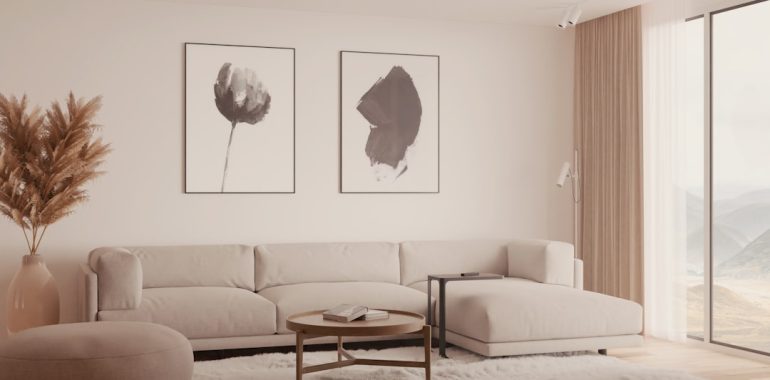
Stylish Minimalist Table Lamp Lighting for Side Tables
When you’re aiming for that clean, uncluttered look but still need functional light, a minimalist table lamp is your best friend for a side table. Think less about elaborate designs and more about clean lines, well-chosen materials, and a focus on emitting light effectively without drawing too much attention. The goal is a lamp that complements the space rather than dominating it.
The Core Appeal of Minimalist Table Lamps
Minimalism in lighting, especially for side tables, is about achieving a balance. It’s not just about emptiness; it’s about intentionality. Every element serves a purpose, and the design itself is often pared down to its essential form. This approach can make a small side table feel more spacious and cohesive.
- Functionality First: At its heart, a table lamp Lightingstudioberkeley needs to provide light. A minimalist design emphasizes this core function, ensuring the light quality is good and directed appropriately for tasks like reading or creating ambiance.
- Aesthetic Simplicity: The visual appeal lies in the lack of ornamentation. Clean lines, geometric shapes, and often a monochromatic or neutral color palette are hallmarks. This makes them remarkably versatile, fitting into a wide range of interior styles.
- Space Optimization: Side tables are often in compact areas. A minimalist lamp, with its streamlined profile, won’t overwhelm the surface. It offers illumination without taking up unnecessary visual real estate.
Choosing the Right Material for Your Minimalist Lamp
The materials used in minimalist table lamps play a significant role in their overall feel and aesthetic. They often speak to the quality and deliberate design of the piece.
Metal as a Foundation
Metals are a go-to for minimalist designs. They can be molded into sleek shapes and offer a sense of durability and sophistication.
Brushed or Matte Finishes
- Brushed Nickel/Steel: These offer a soft, understated sheen that catches the light subtly without being distracting. They blend well with modern and industrial decors.
- Matte Black/White: These finishes provide a bold yet uncomplicated look. Matte surfaces absorb light, creating a sophisticated, velvety appearance that can be grounding.
- Powder Coating: A common and practical finish, powder coating offers a durable and uniform color that maintains its look over time.
Polished Metals for Subtle Glamour
- Polished Brass/Chrome: While sometimes associated with more traditional styles, polished metals can be used sparingly in minimalist designs. A single polished accent on an otherwise matte lamp can add a touch of refined elegance without being ostentatious. The key is restraint.
Wood for Warmth and Texture
While metal is prevalent, wood can inject a natural warmth and organic feel into a minimalist lamp. The key is how it’s used and finished.
Natural Wood Tones
- Light Woods (Birch, Maple, Ash): These often have a subtle grain that adds visual interest without being busy. They can soften the often stark lines of metal components.
- Dark Woods (Walnut, Oak): These can provide a richer, more grounded feel. Their deep tones can be striking against lighter accent pieces or walls.
Minimalist Wood Treatments
- Natural Oil Finishes: These highlight the wood’s natural beauty and texture, avoiding artificial glossiness.
- Painted Wood: A simple matte paint in white, black, or a muted earth tone can be extremely effective, integrating the wood seamlessly into a minimalist palette.
Other Materials to Consider
Beyond metal and wood, other materials can contribute to a minimalist lamp’s design.
Glass and Acrylic
- Frosted or Opal Glass: These are excellent for diffusing light, creating a soft, even glow that’s easy on the eyes. They can be used in shades or as part of the lamp’s body.
- Clear Glass: Used sparingly, perhaps in a stem or base, clear glass can add a sense of lightness and transparency.
- Acrylic: While sometimes perceived as less premium, high-quality acrylic can mimic glass with less weight and fragility. Its transparency or frosted finishes can be useful.
Form and Function: Design Principles for Minimalist Lamps
The shape and structure of a minimalist table lamp are as important as its material. This is where the “less is more” philosophy truly shines.
Simple Geometric Shapes
Minimalist designs often lean on fundamental geometric forms.
Spheres and Cylinders
- Cylindrical Bases and Shades: These are classic for a reason. They offer clean lines and a stable form that’s easy to integrate. A simple cylinder can be a lamp base, or the shade itself can be a smooth cylinder.
- Spherical Accents or Shades: A globe-like shade or a spherical base can introduce a softer, more organic feel while still adhering to simplicity.
Rectangular and Linear Forms
- Rectangular Bases: These can offer a more modern and architectural feel, especially when paired with a cylindrical or rectangular shade.
- Linear Designs: Think slender stems, armatures that extend horizontally, or even lamps that are essentially a simple bar of light. These can be incredibly effective for task lighting or creating a subtle visual line.
The Importance of the Shade
The lampshade in a minimalist design is rarely about ornate patterns or heavy fabrics. It’s about how it affects the light and its overall form.
Diffusing Light Softly
- Opaque Shades: White, off-white, or light-colored opaque shades are common. They effectively scatter light, preventing harsh glare and creating a more ambient glow.
- Frosted or Opal Glass: As mentioned, these materials are ideal for achieving a smooth, diffused light without visible bulbs.
Minimalist Shade Structures
- Simple Cylinders or Cones: These are the most common, offering a no-fuss enclosure for the bulb.
- Drum Shades: A cylindrical shade with a consistent diameter from top to bottom.
- Open-Top Shades: Some minimalist designs forgo a traditional shade entirely, relying on a well-designed bulb and a simple holder to direct light. This is less common for side tables where diffused light is usually preferred.
Lighting Quality and Placement for Side Tables
A stylish minimalist lamp isn’t just about looks; it’s about how it performs its primary function.
Warm vs. Cool Light
The color temperature of the bulb significantly impacts the mood of the space.
Warm White (2700K – 3000K)
- For Ambiance: This range is perfect for creating a cozy, inviting atmosphere. It’s ideal for living rooms and bedrooms where relaxation is key.
- Mimics Incandescent: It replicates the warm, yellowish glow of traditional incandescent bulbs, which many people find comfortable.
Neutral or Cool White (3500K – 4000K)
- For Task Lighting: If your side table is used for reading, crafting, or working, a slightly cooler white can be more effective. It provides better clarity and reduces eye strain.
- More Modern Feel: This temperature can feel cleaner and more contemporary.
Bulb Considerations
The type of bulb you choose can also affect the minimalist aesthetic.
LED Efficiency and Longevity
- Energy Saving: LEDs are incredibly energy-efficient and last much longer than traditional bulbs.
- Dimmable Options: Look for dimmable LEDs if you want to control the intensity of the light.
Bulb Shape and Visibility
- Edison Bulbs (Decorative LEDs): While not strictly minimalist in some contexts, decorative LED bulbs designed to mimic the look of vintage Edison bulbs can be great in minimalist lamps where the bulb is visible. Their warm glow and visible filament add character.
- Standard A-Type Bulbs: If using a shade that obscures the bulb, a standard LED bulb in the correct color temperature is all you need.
Strategic Placement
Where you put the lamp matters.
- Beside Seating: Place a lamp next to an armchair or sofa for convenient reading light.
- At the Head of the Table: If it’s a bedside table, a lamp at the head provides easy access for turning on and off.
- Creating a Layer: Use minimalist lamps to add layers of light in a room, complementing overhead fixtures.
Integrating Minimalist Lamps into Different Decor Styles
The beauty of minimalist design is its inherent versatility. A simple lamp can work in places you might not expect.
Modern and Contemporary Spaces
This is the most natural fit. Clean lines, metal finishes, and geometric shapes are the backbone of these styles.
- Matte Black or White: These colors often enhance the sleekness of modern furniture.
- Brushed Nickel or Chrome: These metals fit perfectly with the often cool-toned palettes of contemporary interiors.
- Think Thin: Lamps with slender profiles and simple geometric shades are ideal.
Transitional Decor (A Blend of Old and New)
Minimalist lamps can act as an anchor of simplicity in a more eclectic mix.
- Warm Metals: Polished brass or bronze accents on an otherwise simple lamp can bridge traditional and modern elements.
- Natural Wood Bases: These can add a touch of organic warmth to balance out more formal pieces.
- Neutral Shades: A simple linen or fabric drum shade in white or beige will blend seamlessly with most transitional palettes.
Scandinavian Interiors
This style emphasizes light, natural materials, and functional simplicity.
- Light Wood Elements: Lamps with light wood bases and simple white shades are perfect.
- Matte White or Grey: These neutral colors work well with the typical Scandi palette.
- Focus on Soft Light: Diffused light is key to creating the cozy “hygge” atmosphere.
Industrial Settings
Raw textures and functional aesthetics define industrial style.
- Metal Finishes: Dark matte metals, exposed concrete, or even aged brass fit well.
- Exposed Bulbs (Carefully): While not always “diffused,” a well-chosen decorative LED bulb in a simple metal holder can work if the overall aesthetic supports it.
- Geometric or Minimalist Cage Designs: Lamps with open, geometric structures can complement the raw feel.
Finding the Right Minimalist Lamp for Your Needs
Beyond the aesthetic, consider the practicalities of your space and how the lamp will be used.
Scale and Proportion
- Table Height: How tall is your side table? You don’t want a lamp that’s so tall it looks top-heavy or so short it gets lost.
- Surface Area: A wider lamp might be too much for a very narrow table.
- Visual Weight: Consider how the lamp “feels” visually. A solid metal lamp might have more visual weight than a slender one with a fabric shade.
Functionality of Light
- Reading Nook: Prioritize a lamp that directs light downwards and is dimmable if possible.
- Ambient Glow: If the lamp is primarily for atmosphere, a wider, diffused light source is best.
- Task Lamp: Some minimalist table lamps have adjustable arms or heads, making them excellent for focused work.
Cord Management
- Hidden Cords: Look for lamps with discreet cords or consider cord management solutions (like cord clips) to maintain the clean look.
- Switch Placement: Is the on/off switch on the cord, the base, or the socket? Consider what’s most convenient for you.
Budget
Minimalist lamps range from very affordable to quite expensive. Don’t be afraid to look at budget-friendly options from places like IKEA or Target, as well as higher-end designer pieces. Often, the simplicity of the design means that quality of materials and construction become the primary differentiators.
By focusing on clean lines, well-chosen materials, and practical light output, a minimalist table lamp can be a stylish and functional addition to any side table. It’s about adding light without adding clutter.